

























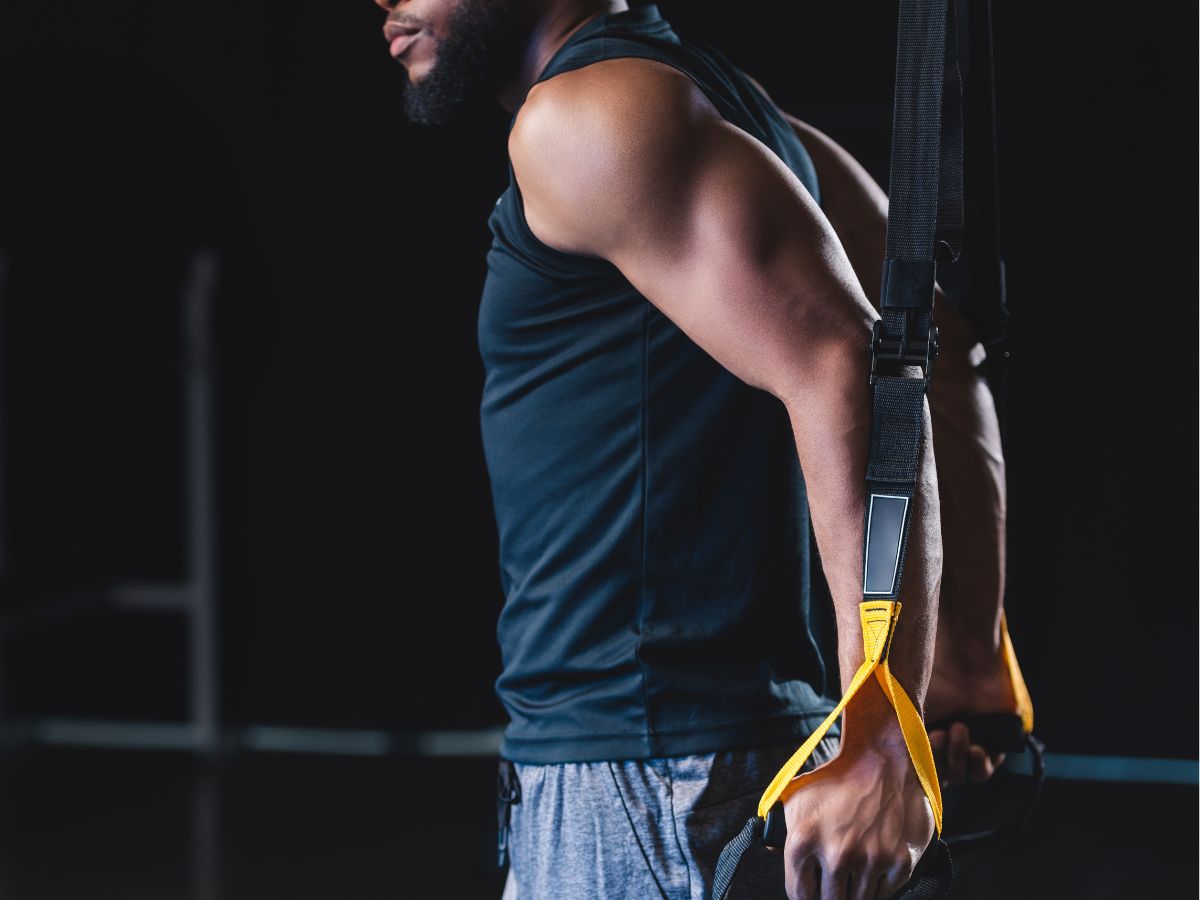
You know that moment when you crouch down to pick something up and your knees crackle like bubble wrap? Yeah, that’s your body’s gentle way of saying, “Oi mate, perhaps we should give those muscles some attention.” Strength training isn’t just for gym bros dusted in chalk or athletes chasing Olympic dreams. It’s for you, me, and pretty much anyone who wants to sail through ageing without groaning every time they stand up.
The science backs it up. The British Journal of Sports Medicine reports that adults who regularly lift, push or pull don’t just bulk up – they live longer, healthier lives. Meanwhile, the European Heart Journal says mixing strength work with cardio cuts your risk of heart disease just as much as cardio on its own. So, yep, it’s basically a two-for-one health deal.
Here’s the jaw-dropper, though: according to the National Center for Health Statistics, only 24% of adults hit the combined cardio-and-strength targets. One in four! Meaning three out of four of us are missing out. The official guidelines? 150–300 minutes of moderate cardio (think brisk walking or cycling) or 75–150 minutes of vigorous activity (like running or dancing as if nobody’s watching) per week, plus at least two strength sessions. And no, you don’t need to sell your soul to CrossFit to make it happen.
Why strength training matters beyond muscle
Let’s clear up a myth: strength training isn’t about getting biceps so big you need custom sleeves. As fitness coach Joe Holder explains, strength is “the ability of a muscle to produce force” – which, in real life, means lugging all your shopping bags in one go, hoisting your little one onto your shoulders, or finally conquering that overhead locker on a flight.
Muscles aren’t just for flexing. Holder calls them “longevity organs” because they release hormones, fire up your metabolism and fend off age-related decline.
Lose muscle (hello, sarcopenia) and stairs suddenly feel like Everest. Build it, and everyday life gets easier. Squats, lunges, planks, press-ups – they’re not for selfies, they’re for independence.
The beauty of strength snacks
Long gym sessions? Brilliant, if you’ve got the time. But most of us haven’t. That’s where strength snacks stride in – quick 10–20-minute workouts you can slip into your day. They’re like espresso shots for your muscles.
The formula’s simple: cover three moves – push, pull, squat. Think press-ups, rows with a band (or a bag of beans) and squats or lunges. Too easy? Slow down your reps or hold that squat till your legs scream – it changes everything.
The best bit? No kit, no gym fees, no excuses. You can bash one out in your lounge while the kettle boils. Honestly, strength snacks prove that fitness can be quick, gritty and effective.
Simple moves to get started
If you’re new to strength training, relax – you don’t need a rack of shiny dumb-bells or a coach yelling “beast mode”. Holder suggests focusing on seven patterns: push, pull, squat, hinge, carry, walk and rotate. These are moves you actually use every day.
Planks, lunges, hip hinges – they’re simple but powerful. Fancy getting creative? Grab a backpack stuffed with books. Voilà – instant weight. Or tweak your tempo: slow press-ups, paused squats or explosive lunges. Your muscles don’t care whether it’s a dumb-bell or a bag of rice; they just care that they’re working.
Building balance into your routine
Most people miss one crucial trick: pull twice as much as you push. Why? Because we spend hours hunched over laptops, morphing into T-Rexes with dreadful posture. Pulling moves like rows help straighten us out and spare our backs.
Throw in a bit of “pre-hab” – little drills to keep joints happy, like shoulder rotations or ankle mobility work – then finish with a stretch or two. Progress doesn’t always mean adding more weight; you can shake things up with extra reps, a slower tempo or just holding the burn that bit longer. Small tweaks, big pay-offs.
Consistency over intensity
The golden rule? Consistency beats intensity. You don’t need a Rocky-style slog – just turn up. Even a few 15-minute sessions a week will bolster muscles, bones and stamina.
Holder offers three easy ways to squeeze strength work in. Do quick daily sets, driving body-weight moves close to failure. Use slow, controlled motion to fully engage muscles. And whenever you’ve a spare ten minutes, sneak in a mini-session.
And third, make the most of those idle moments we all spend scrolling or waiting – slot in a brisk 10–15-minute blast whenever you can. Pair all that with decent food, proper hydration and a solid night’s kip and you’ve got a routine that actually sticks.
Longevity over vanity
The truth is, strength training isn’t about vanity – it’s about longevity. Strong muscles regulate hormones, safeguard your metabolism and keep you moving well into your golden years. Think of them as built-in insurance, quietly paying dividends every time you lift, bend or tackle a flight of stairs.
Even 10–15 minutes a day makes a difference. You’ll slash your risk of disease, stave off injuries and earn the freedom to do the things you love – whether that’s hiking, chasing the kids or hauling all your shopping in one go (the ultimate power move).
So next time you’re scrolling TikTok, swap a few minutes for squats. Your future self – and your creaky knees – will thank you.
This content is for general information only and not a substitute for professional advice. Please check with a healthcare provider before making changes to your fitness or diet.