
















Move over kale smoothies and mindfulness apps; there’s a new darling on the scene vying for the title of ‘best way to age like a fine wine’.
Introducing probiotics, those charming little microbes that have long lived in your yoghurt and are now apparently staging a coup against cognitive decline.
Yes, folks, the gut-brain axis isn’t just a trendy buzzword from your neighbourhood wellness guru any more. It’s science-backed, slightly mind-boggling and brimming with potential to turn our ageing brains into sharper, sassier versions of themselves.
So, are probiotics the secret to dodging dementia with a side of gut glee?
Let’s explore, head-first and belly-deep.
Gut feelings: your brain’s secret hotline
Imagine your intestines holding secret meetings with your brain, conspiring to keep you sharp well into your golden years. Sound absurd? Science says it’s legit.
The gut-brain axis is basically a VIP hotline between your digestive tract and your central nervous system. Through signals involving the immune system, metabolic pathways and a mysterious entity called the vagus nerve (which sounds like a Bond villain but is really just a busybody nerve), your gut microbes are influencing everything from memory to mood.
According to recent research, supplementing with certain probiotic strains such as Lacticaseibacillus rhamnosus GG could actually improve cognitive function, especially in people with mild cognitive impairment. That’s right, tiny bacteria with names longer than IKEA furniture instructions are now helping us remember where we left our keys.
Also Read: Could the Mediterranean Diet Help Ward Off Rheumatoid Arthritis? A New Study Says Yes
Alzheimer’s? The probiotic plot twist
Now, before you go necking a jar of sauerkraut as though it’s brain fuel, let’s clarify: we’re still in the early chapters of this microbial fairy-tale.
However, studies have shown that probiotics may reduce inflammatory markers and even preserve hippocampal volume (the part of your brain that remembers what you did yesterday and how to work the remote).
Research suggests that probiotics might help manage oxidative stress and prevent neuro-inflammation, both villains in the story of Alzheimer’s progression. Think of probiotics as microscopic life coaches keeping your neurons from spiralling.
Moods, microbes and mental magic
If you thought your brain was in charge of your happiness, think again. Your gut is producing most of your serotonin. That’s the good-vibes chemical responsible for making you feel less like a stressed-out raccoon rummaging through existential rubbish and more like a functioning human being.
Certain strains such as Bifidobacterium longum have been linked to reduced anxiety and improved mood. This means your next emotional breakthrough might not come from a TED Talk but from a well-timed serving of kimchi.
In fact, a 2023 study in Frontiers in Aging Neuroscience suggested that 90 days of probiotic supplements improved both mood and memory in adults over 60. These pensioners didn’t just feel happier; they remembered why. Result.

Mental fitness is a gut game
Let’s play a round of mental gymnastics. You: a middle-aged adult who once forgot your email password six times in a day. The opponent: mild cognitive decline. Your secret weapon?
Gut flora with a flair for neuro-protection.
Research suggests that probiotics can improve executive function and attention span. That’s right, bacteria are making you better at multi-tasking, remembering birthdays and, dare we say it, winning arguments without blanking halfway through.
Gut gains and brain gains
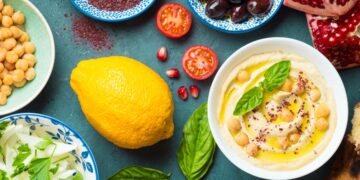
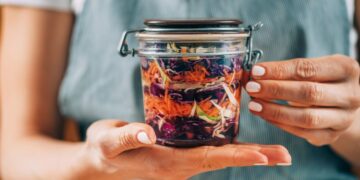
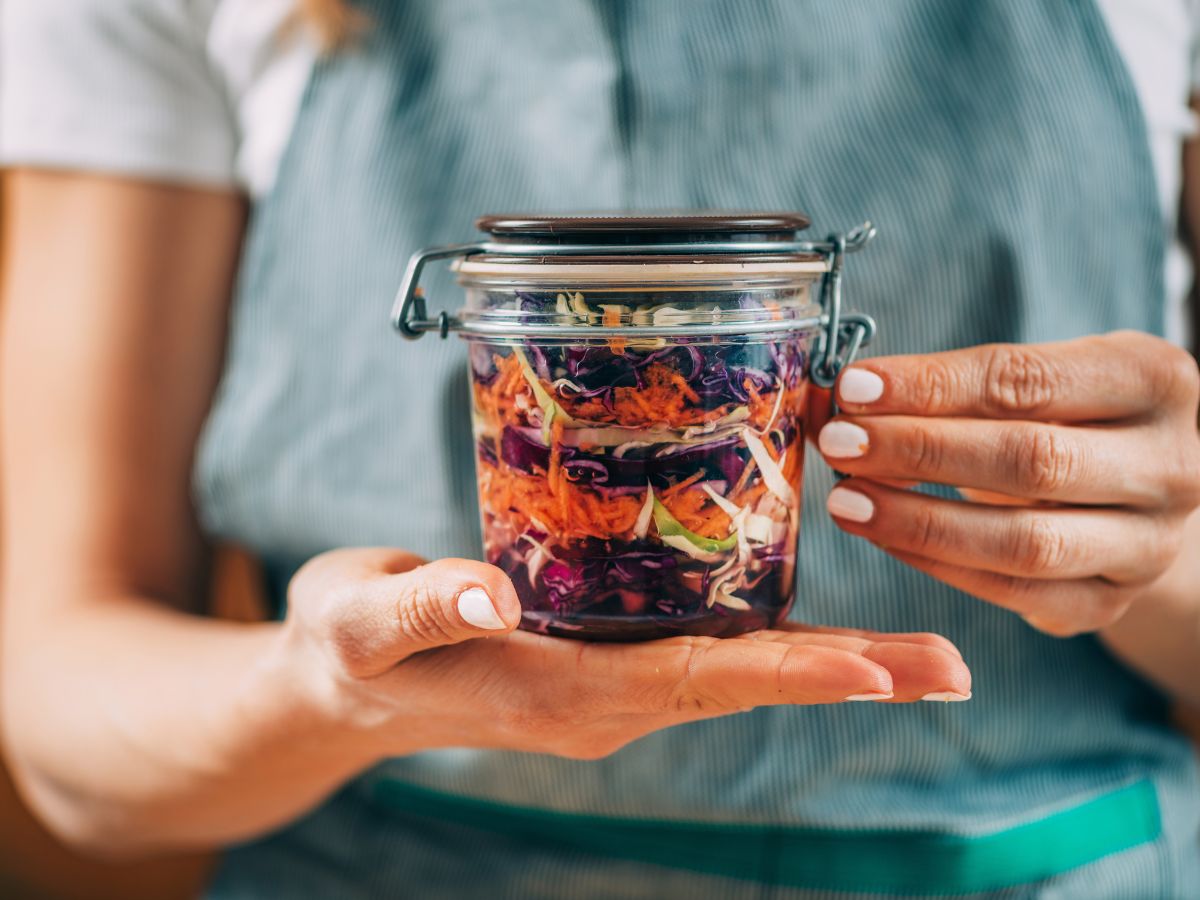
So now you’re probably eyeing your fridge as though it’s some secret vault of brain-boosting gold. But which probiotic-packed treasures should you actually reach for? Think fermented delights like kefir, kimchi, miso and sauerkraut. Basically, foods that sound like a fun science experiment but taste far better.
Then there are supplements boasting superstar strains with names you’ll struggle to pronounce: Lactobacillus acidophilus, Bifidobacterium breve, L. rhamnosus GG and the rest. Oh, and don’t forget that suspiciously bubbly kombucha skulking at the back of the fridge, which may or may not have achieved sentience by now.
The experts agree on one thing: consistency is key. Don’t expect one heroic probiotic gummy to turn you into a Mastermind champion overnight. But make these gut-friendly goodies a regular part of your life and you might just keep your memory sharp and your sass fully charged as you age.
The brain-boosting back-up plan
The probiotic hype train is definitely gathering speed, but it’s not running the show on its own. To keep your brain firing on all cylinders, team those friendly microbes up with a few other savvy moves.
Think Mediterranean diet, because honestly, who can argue with olive oil and red wine being nature’s little miracles? Add some physical activity, preferably more strenuous than the heroic effort of reaching for the remote, and chase that elusive unicorn called adequate sleep. And, for the love of all that’s gut-friendly, resist the urge to become a WebMD detective every time your stomach gurgles. It’s a marathon, not a sprint.
If anyone had told us ten years ago that gut bacteria would boost brain health, we’d have laughed and ordered another latte. Yet now, fermented cabbage might actually help your memory.
Probiotics aren’t magic, but they’re more than mere digestion helpers. Think of them as the quirky, wise friend you never knew you needed. So, befriend your gut microbes. The path to a sharper, happier brain might just start in your belly.
This content is for general information only and not a substitute for professional advice. Please check with a healthcare provider before making changes to your fitness or diet.