

























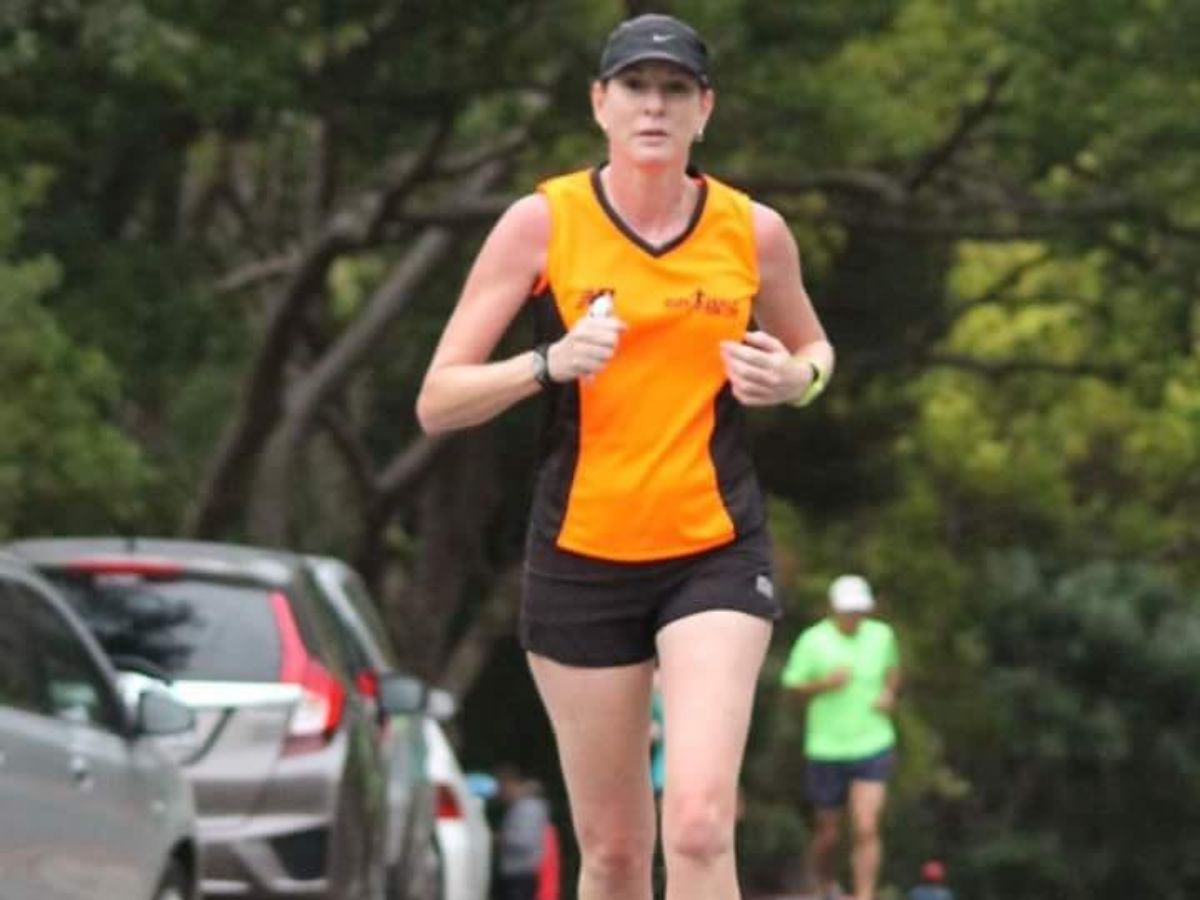
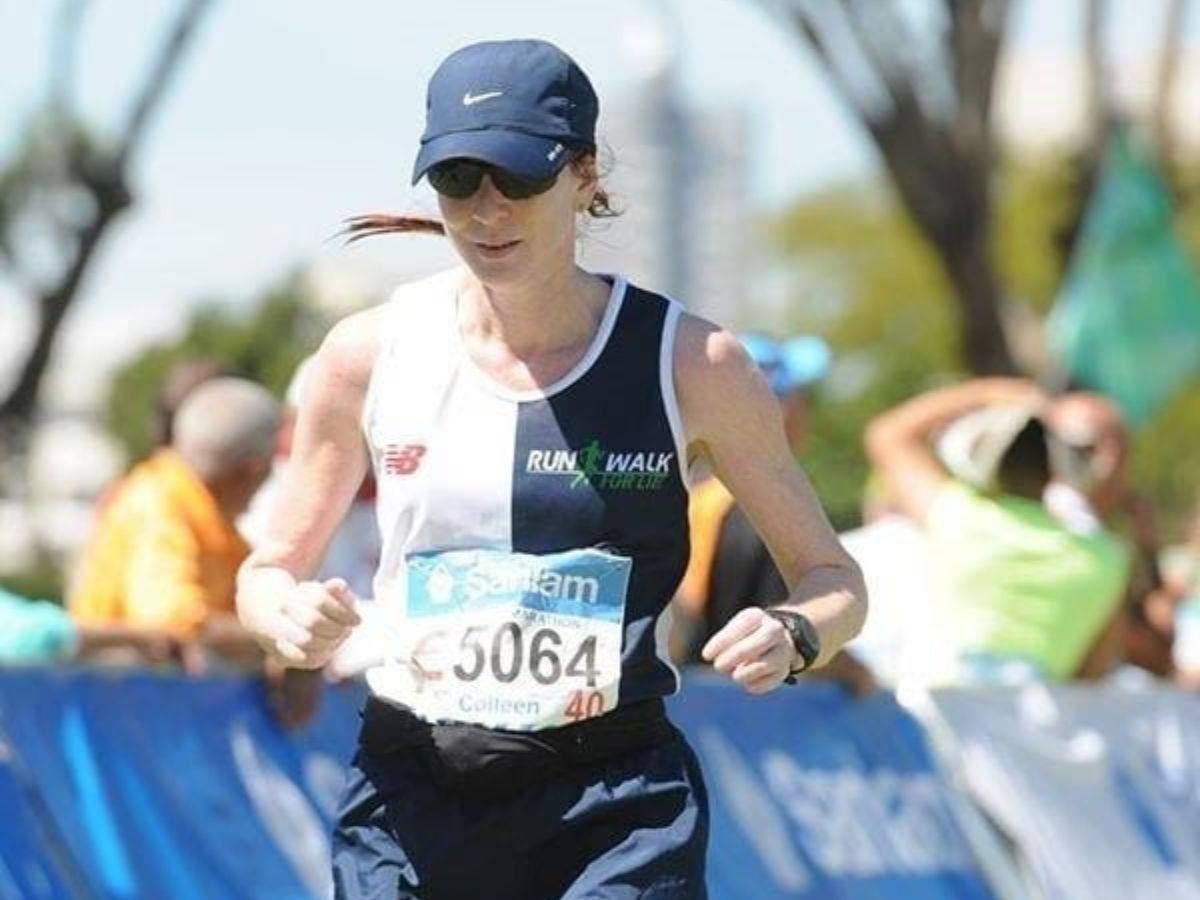
When Colleen Smith (56) sets off through the forests near her home in Kent, it’s more than just a run. It’s a decision to keep going — not just for fitness, but for life itself.
Diagnosed with Type 1 diabetes at the age of ten, Colleen has spent the past 46 years learning how to live with, manage and even thrive with a condition that never switches off.
“I have a very strong relationship with health and fitness,” she says. “Stronger than any other, because it consumes my life 24/7.”
“I have a profound relationship with health and fitness.”
She and her husband both work long hours during the week, so weekends are reserved for movement — whether that’s hiking together or heading out for a longer run. Her commitment to activity is grounded in necessity, but it’s also something she enjoys. “Running helps me cope. It keeps my body in check and my mind on track.”
An Important Distinction
When talking about her diabetes, Colleen makes an important distinction. “It’s not Type 2. It’s not caused by lifestyle or poor food choices. My pancreas simply doesn’t make insulin anymore. I need to inject it several times a day and constantly monitor my blood sugar.”
Managing that balance is a constant effort. “One wrong insulin unit can throw your whole wellbeing off,” she explains. “Exercise, stress, food, even the weather affects how much insulin I need. I’m always adjusting.”
Despite the pressure, she’s completed multiple marathons and ultra-distance races. These days she keeps things more local, running around 5K every second day, with a longer stretch at the weekend. “Life changes. You adapt. But I still get out — partly for fitness, mostly for my mind. The endorphins are unreal.”
Also Read: “You’re Still in There”: How Elizabeth Espin Used Fitness to Rebuild After Cancer
She keeps a detailed log of her runs to stay consistent. “I like being able to look back at the month and see what I’ve done. It keeps me motivated.” And when motivation dips? “My husband’s pretty good at telling me to stop moaning and get out the door — even when it’s 2 degrees and freezing!”
Her approach to food is just as measured. “Yes, I can eat anything — I just need more insulin. But that damages resistance over time and makes it harder to manage. A cleaner, lower-carb diet helps keep my levels steady and makes life simpler.”
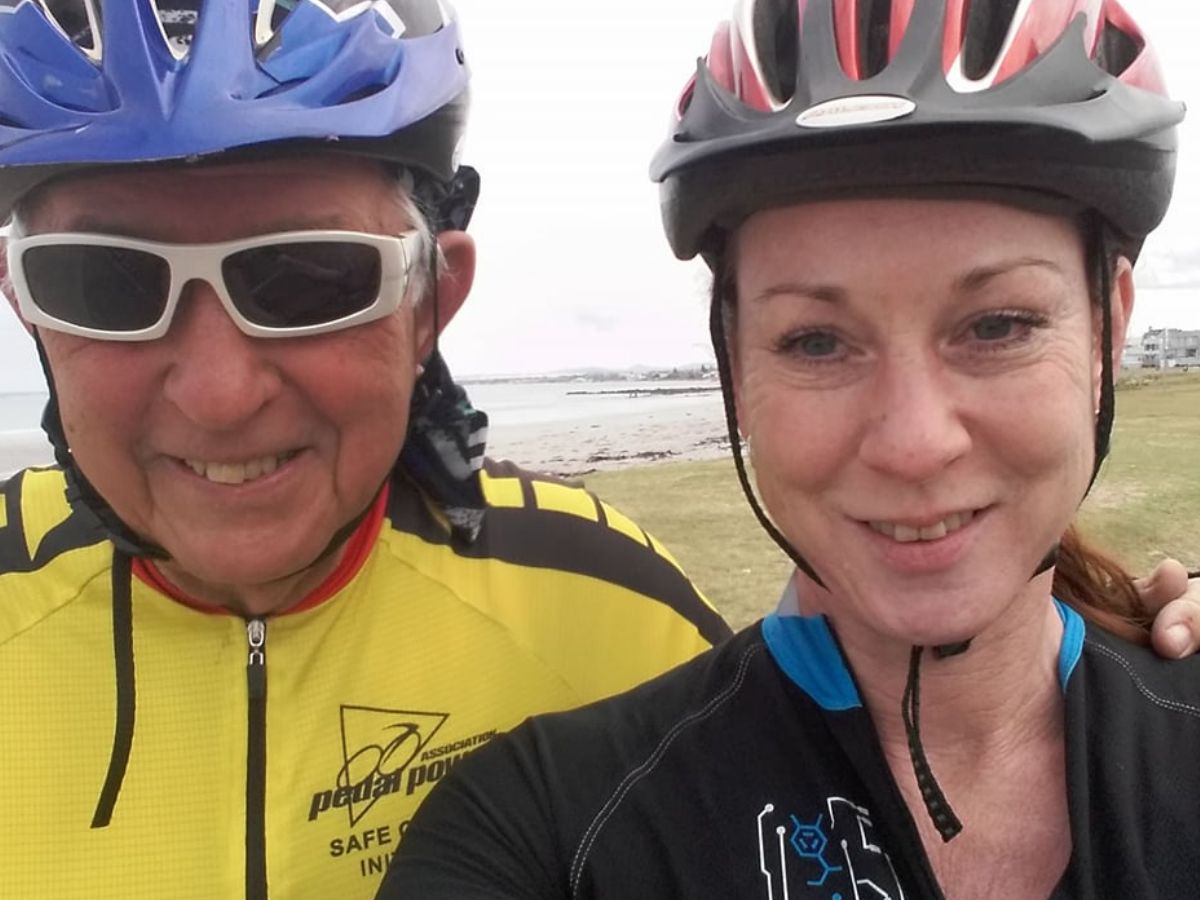
She’s found there’s still a lot of misunderstanding about what Type 1 diabetes really is. “Even people who’ve known me for years send me posts about miracle cures. It can be frustrating. Type 1 and Type 2 should honestly have different names — they’re completely different diseases.”
Asked what she’d say to someone newly diagnosed, Colleen doesn’t hesitate: “Get a good doctor, a great dietitian, and let your friends and family know. You’ll need them. And don’t bother with Facebook groups — no two diabetics are the same, and you’re on your own journey. Literally anything is possible.”
Running Has Been a Game-Changer
Running hasn’t just helped her manage the physical demands of diabetes — it’s shaped who she is. “I was a very shy child. I think that had a lot to do with managing a condition I didn’t talk about. But once I learned how to deal with it, running gave me confidence. It pushed me to do things I never thought possible.”
She credits many of her early running achievements to a close group of women who trained with her and cheered her on. “They were amazing. I’ll always be grateful for them.”
It’s taken planning, resilience and a refusal to let diabetes define her limits. But Colleen has kept showing up — for every run, every challenge and every finish line.Less than 1% of people have completed a marathon. Colleen Smith is one of them.